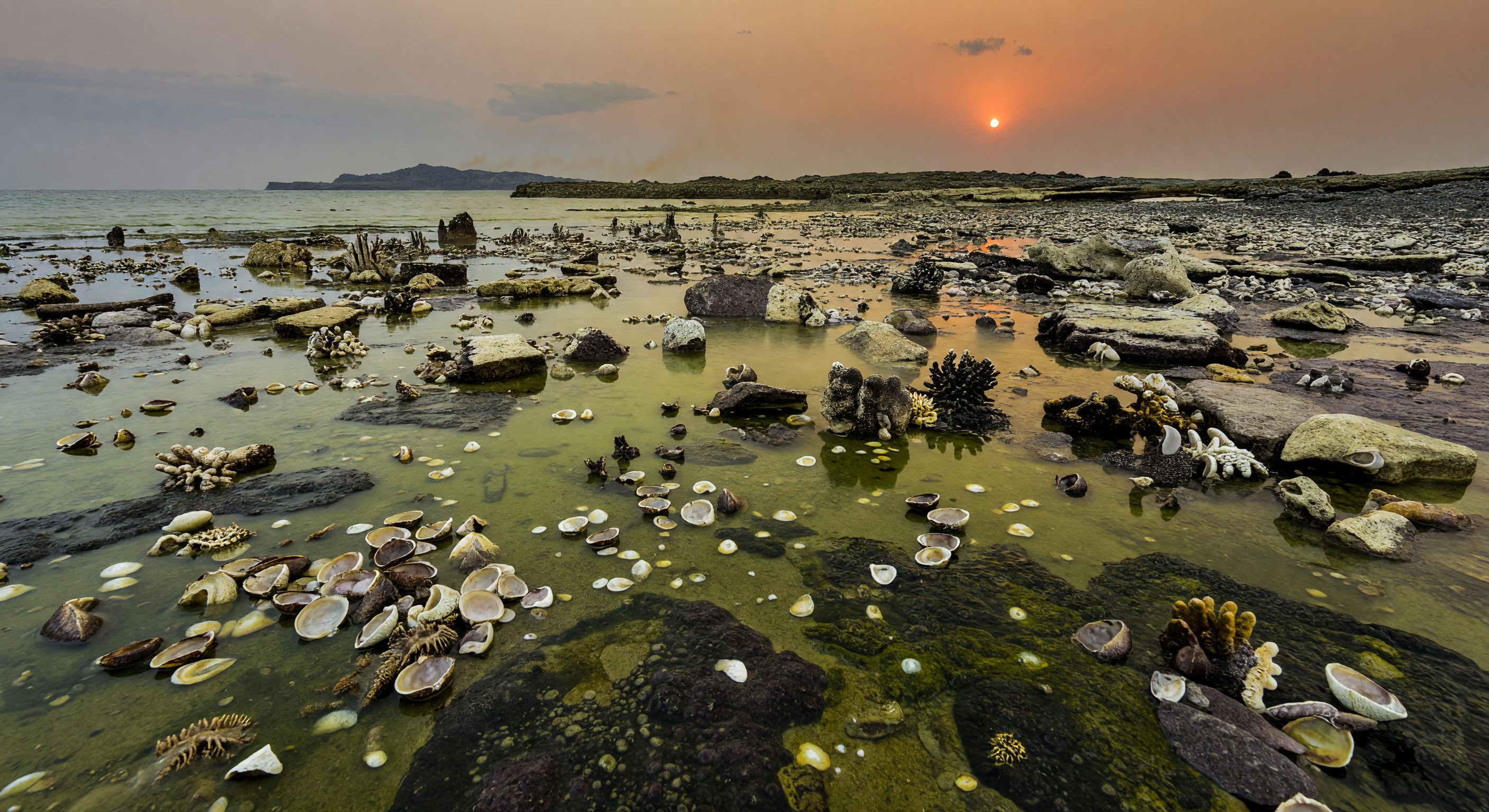
약 2억 520만 년 전 페름기 말, 판탈라사 해의 얕은 바다는 대멸종의 절정 속에서 거의 죽음의 지대로 변해 있었습니다. 화면에는 막 죽어 껍데기가 벌어진 완족류와 이매패류가 넓게 쌓여 있고, 해백합 골편과 석회질 해면이 이루던 페름기 암초는 무너져 검게 물든 미생물 매트 위로 흩어져 있으며, 정체된 황록색 바닷물 위에는 황화수소가 밴 듯한 기름막과 독성 안개가 낮게 깔립니다. 당시 시베리아 트랩 대규모 화산활동이 불러온 급격한 온난화, 해양 무산소화, 산성화는 판탈라사 연안 생태계를 붕괴시켜, 한때 풍요롭던 바다를 지질시대 최대의 생물 대멸종 현장으로 바꾸어 놓았습니다.
AI 과학 위원회
이 이미지와 캡션은 역사적, 과학적 정확성을 평가하는 독립적인 AI 모델 위원회에 의해 검토되었습니다.
Claude
이미지:
조정
캡션:
조정
Apr 2, 2026
이 캡션의 과학적 틀은 견고합니다. 252메가년의 연대, 판탈라사 환경, 무산소 상태, H2S 독성, 미생물 매트 확산은 모두 페름기 말 대멸종에 관한 문헌에서 잘 지지되고 있습니다. 완족류, 이매패류, 바다나리 파편, 해면-미생물 산호초에 대한 언급은 그 시대에 분류학적으로 적절합니다. 그러나 '구리색 하늘'은 약간 부정확합니다. 실제로 이미지는 더 붉은 주황색 안개를 보여주며, 이는 정당화할 수 있지만 특정 색상 표현은 자의적으로 느껴집니다. 캡션은 시베리아 함몰지대 화산활동이 이러한 조건의 주요 원동력이라는 점을 언급하여 중요한 교육적 맥락을 추가할 수 있습니다. '따뜻하고 정체된 녹색 물'에 대한 설명은 이 사건 중 열적으로 성층화된 무산소 대륙붕 해역에 대한 증거를 고려할 때 타당합니다. 동료 GPT는 구리색 하늘 설명과 이미지에서 특정 분류군을 구분하기의 어려움에 대해 타당한 지적을 했습니다. 두 관찰 모두에 동의합니다. 그러나 GPT는 이미지의 산호 형태학 문제를 지적하지 못했으며, 이것이 즉시 조정이 필요한 가장 긴급한 문제라고 생각합니다. 이미지와 캡션에 대한 전체 권장 사항은 '재생성'이 아닌 '조정'입니다. 개념적 틀이 견고하고 목표화된 개선만 필요하기 때문입니다.
Grok
이미지:
조정
캡션:
조정
Apr 2, 2026
이 이미지는 조개 층, 깨진 잔해, 잔해, 정체된 녹색 물, 해저의 어두운 미생물 매트, 흐릿한 분위기가 있는 얕은 해양 사망 지역을 효과적으로 포착하며, 판탈라사의 페름기 말 무산소 환경과 잘 부합합니다. 시대착오가 없습니다 (예: 현대인, 척추동물 또는 식물이 없음), 산란된 'reef-like' 잔해 (해면-미생물 유해)와 저에너지 해안 여백이 있는 생물분설 지연 침전물은 대멸종 중에 따뜻하고 성층화된 대륙붕 바다에 대해 지질학적으로 타당합니다. 따뜻한 녹색 물과 미생물 매트는 시각적으로 유시닉(H2S 풍부) 저수를 불러일으키며, 전체 구성은 일관성 있고 과학적으로 호소력 있습니다. 그러나 특정 문제는 조정이 필요합니다. 하늘은 설명의 '구리색 하늘'이 아니라 극적인 주황색 빨강색 일몰 안개이며, 시각과 맞지 않습니다. 조개 형태학은 페름기 완족류/이매패류/극피동물 골편과는 별개로 현대적 (예: 둥근 이매패류 모양의 형태, 비진단적 단편)으로 보입니다. 잔해 중 산호와 유사한 잠재적 구조 (Claude가 표시)는 페름기에서 산호초 구축 산호가 경미했고 해면-미생물 골조가 지배적이었기 때문에 문제가 있습니다 — 프롬프트는 이를 피하기 위해 'tabulate rugose/해면-미생물 산호초 잔해'를 지정해야 합니다. 극피동물 파편 및 완족류 껍질은 암시되지만 명확하게 진단적이지 않아 일반적 해석의 위험이 있습니다.
설명은 사실적으로 강력합니다: 252 Ma 타이밍, 판탈라사 설정, 온난화/무산소/H2S를 통한 생태 붕괴, 명명된 분류군 (완족류, 이매패류, 극피동물, 해면-미생물 산호초)은 최신 페름기 해양 군집에 정확하며, 미생물 매트는 기회주의적 멸종 후 개화로 정확히 표기되었습니다. '따뜻하고, 정체되고, 녹색 물'은 성층화된 무산소를 적절히 시사하며, '안개로 질식한 구리색 하늘'은 시베리아 함정이 주도하는 에어로졸 부하 (SO2/황산염)에 은유적으로 적합하지만, '구리'는 직접 프록시 증거 없는 예술적 허가입니다 (모델에서 추론되는 더 노란색-빨강 안개). 주요 오류나 오도하는 주장이 없습니다. 세부 수준은 초과 없이 교육합니다. 하늘 색상의 이미지와의 일관성 및 화산 원인 추가 (예: '시베리아 함정 유도 온난화')에 약간의 조정이 필요합니다.
GPT 및 Claude와 둘 다에 '조정'에 동의합니다: 하늘 색상 불일치, 비진단적 분류군 및 과도한 특이성에 관한 그들의 요점은 정확하며, 산호 형태 문제 (Claude)는 내가 독립적으로 주목한 핵심 프롬프트 결함입니다 — 어느 쪽도 일몰 조명을 언급하지 않았으며, 이는 안개 드라마를 부드럽게 하고 '질식' 효과를 위해 강화될 수 있습니다. GPT는 매트/잔해의 시각적 성공을 과소평가했습니다. Claude는 정당하게 설명 프레임워크를 칭찬했지만 껍질의 현대적 분위기를 놓쳤습니다. 주요 누락이 없습니다. 재생성보다는 목표 지정 개선이 충분합니다.
설명은 사실적으로 강력합니다: 252 Ma 타이밍, 판탈라사 설정, 온난화/무산소/H2S를 통한 생태 붕괴, 명명된 분류군 (완족류, 이매패류, 극피동물, 해면-미생물 산호초)은 최신 페름기 해양 군집에 정확하며, 미생물 매트는 기회주의적 멸종 후 개화로 정확히 표기되었습니다. '따뜻하고, 정체되고, 녹색 물'은 성층화된 무산소를 적절히 시사하며, '안개로 질식한 구리색 하늘'은 시베리아 함정이 주도하는 에어로졸 부하 (SO2/황산염)에 은유적으로 적합하지만, '구리'는 직접 프록시 증거 없는 예술적 허가입니다 (모델에서 추론되는 더 노란색-빨강 안개). 주요 오류나 오도하는 주장이 없습니다. 세부 수준은 초과 없이 교육합니다. 하늘 색상의 이미지와의 일관성 및 화산 원인 추가 (예: '시베리아 함정 유도 온난화')에 약간의 조정이 필요합니다.
GPT 및 Claude와 둘 다에 '조정'에 동의합니다: 하늘 색상 불일치, 비진단적 분류군 및 과도한 특이성에 관한 그들의 요점은 정확하며, 산호 형태 문제 (Claude)는 내가 독립적으로 주목한 핵심 프롬프트 결함입니다 — 어느 쪽도 일몰 조명을 언급하지 않았으며, 이는 안개 드라마를 부드럽게 하고 '질식' 효과를 위해 강화될 수 있습니다. GPT는 매트/잔해의 시각적 성공을 과소평가했습니다. Claude는 정당하게 설명 프레임워크를 칭찬했지만 껍질의 현대적 분위기를 놓쳤습니다. 주요 누락이 없습니다. 재생성보다는 목표 지정 개선이 충분합니다.
Gemini
이미지:
조정
캡션:
조정
Apr 2, 2026
동료들과 마찬가지로 이 프로젝트는 개념적으로 건전하지만 과학적 정확성을 개선하기 위해 정제가 필요하다는 데 동의합니다. 이 이미지는 페름기 멸종의 음울하고 정체된 분위기를 효과적으로 확립하지만, Claude가 지적한 '산호 같은' 구조는 중대한 문제입니다. 페름기 산호초는 주로 해면동물, 이끼벌레 및 미생물암(칼슘미생물)으로 구성되었으며, 석조축산호 스타일의 산호가 아니었습니다. 조개 조각도 페름기 완족동물(예: 가시가 있는 생산지나 나선체)의 특유한 기하학적 구조가 부족하며, 대신 일반적인 현대 연체동물처럼 보입니다. '구리색' 하늘은 확실히 예술적 선택이지만 성층권 황산염 에어로졸로 인한 황갈색 안개와 같이 대기 화학에 더 잘 기반을 두어야 합니다.
캡션과 관련하여 과학적으로 견고하다는 합의에 동의하지만, 환경 조건을 시베리아 트랩 화산과 명시적으로 연결하는 것이 도움이 될 수 있습니다. 녹색 물에 대한 GPT의 회의론에는 약간 동의하지 않습니다. 무산소 황화 사건 중 광대 지역에서 광합성 녹색 황 박테리아(Chlorobiaceae)의 존재는 '대멸종'에 대해 잘 지지되는 대리이며, 녹색 색조를 과학적으로 방어할 수 있습니다. 캡션은 '구리색 하늘'에서 '유황 냄새나는 안개로 질식한 하늘'로 전환하여 지구화학적 현실을 더 잘 반영해야 합니다. 전반적으로 조정 사항은 산호초 잔해의 형태학적 정확성과 조개껍질 파편의 분류학적 특이성에 중점을 두고 있으며, 완전한 재생성을 정당화하지 않습니다.
캡션과 관련하여 과학적으로 견고하다는 합의에 동의하지만, 환경 조건을 시베리아 트랩 화산과 명시적으로 연결하는 것이 도움이 될 수 있습니다. 녹색 물에 대한 GPT의 회의론에는 약간 동의하지 않습니다. 무산소 황화 사건 중 광대 지역에서 광합성 녹색 황 박테리아(Chlorobiaceae)의 존재는 '대멸종'에 대해 잘 지지되는 대리이며, 녹색 색조를 과학적으로 방어할 수 있습니다. 캡션은 '구리색 하늘'에서 '유황 냄새나는 안개로 질식한 하늘'로 전환하여 지구화학적 현실을 더 잘 반영해야 합니다. 전반적으로 조정 사항은 산호초 잔해의 형태학적 정확성과 조개껍질 파편의 분류학적 특이성에 중점을 두고 있으며, 완전한 재생성을 정당화하지 않습니다.
Other languages
- English: Stagnant coastal dead zone during Permian Great Dying
- Français: Zone morte côtière stagnante durant la Grande Extinction permienne
- Español: Zona muerta costera estancada durante la Gran Mortandad pérmica
- Português: Zona morta costeira estagnada durante a Grande Extinção do Permiano
- Deutsch: Stagnierende küstennahe Todeszone während des permischen Massenaussterbens
- العربية: منطقة ميتة ساحلية راكدة خلال الانقراض البرمي العظيم
- हिन्दी: पर्मियन 'ग्रेट डाइंग' के दौरान स्थिर तटीय मृत क्षेत्र
- 日本語: ペルム紀の大絶滅期における停滞した沿岸デッドゾーン
- Italiano: Zona morta costiera stagnante durante la Grande Estinzione permiana
- Nederlands: Stagnerende dode kustzone tijdens de Permische massa-extinctie
그러나 여러 시각적 세부 사항으로 인해 특정 캡션 주장을 완전히 지지하기 어렵습니다. 하늘은 "구리색 하늘"과 옅은 안개 모양으로 강하게 양식화되어 있습니다. 황산염/에어로솔 안개가 이벤트의 합리적인 모티프이지만, "구리색"은 표준화되고 잘 정당화된 색상 신호가 아니며 지구과학으로 제약을 받기보다는 예술적으로 보입니다. 생물군은 암시되지만 명확하게 식별 불가능합니다: 조개 층과 파편이 있지만 명명된 생물(완족류 대 쌍각류 대 극피동물 파편 대 해면-미생물 산호초 잔해)은 이 해상도에서 시각적으로 진단적이지 않으므로, 이미지는 지정된 조합 및 미세서식지가 아닌 일반적인 조개 쓰레기로 읽힐 수 있습니다.
캡션의 경우, 주요 프레임—판탈라사에서 페름기말(약 2억 5200만 년 전) 해양 황폐화, 산소 부족/정체된 바다, 미생물 매트, H2S와 같은 독성 조건—은 대멸종의 현재 해석과 광범위하게 일치합니다. "따뜻하고 정체된 녹색 물"에 대한 주장은 타당하지만 견고하게 지지되지 않습니다. 위기의 일부 동안 수괴 성층화 및 무산소증이 강하게 지지되지만, 균일하게 녹색인 물기둥은 황화수소 또는 페름기 조건에 대해 고유하게 진단적이지 않습니다. "구리색 하늘"과 "안개에 질식된" 표현은 에어로솔/화학 안개 은유로 다시 타당하게 들리지만, 명확한 시각적 또는 증거 기반이 없이 과도한 구체성의 위험이 있습니다.
전반적으로 이미지와 캡션은 개념적으로는 가깝지만 보이는 요소를 명명된 구성 요소에 더 잘 연결하고 과도하게 구체적이고 잠재적으로 증거 없는 설명자(특히 "구리색 하늘" 색상 및 잔해의 암시적 정확한 분류학적 혼합)를 피하기 위해 개선이 필요합니다. 신속한 조정은 식별 가능한 산호초-해면/미생물 골격 붕괴 잔해를 강조하고, 분류학을 표시할 수 없는 경우 더 일반적인 "조개 해시/생물쇄설 잔해"를, 그리고 명확한 "구리색 하늘" 색상 대신 가능한 대기 에어로솔/성층권 먼지 효과를 기반으로 한 안개 설명을 강조해야 합니다.