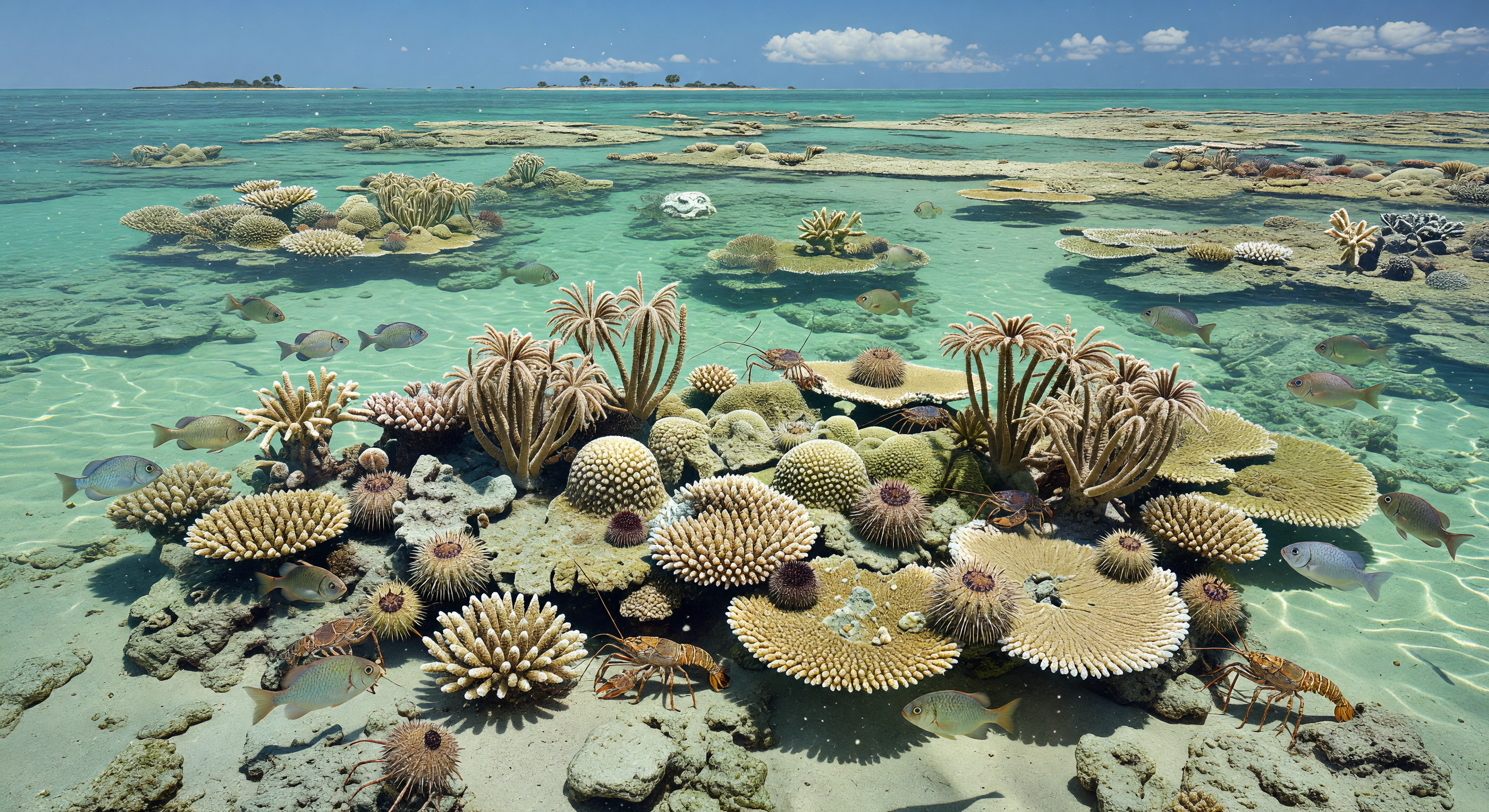
تحت سطح بحر أوروبي ضحل ودافئ في أواخر العصر الجوراسي، قبل نحو 160–145 مليون سنة، تتلألأ مياه فيروزية فوق رقع شعابية منخفضة بنتها مرجانيات حجرية مثل Thecosmilia وIsastrea وThamnasteria على منصة كربوناتية واسعة من لوراسيا. بين المستعمرات المرجانية تتحرك كركندات Glyphea البرتقالية‑البنية، وتزحف قنافذ البحر الشوكية Cidaris، بينما ترفع زنابق البحر Pentacrinites أذرعها الريشية في التيار وتعبر أسراب أسماك Dapedium القرصية اللامعة في الضوء المتكسر. يكشف هذا المشهد عن عالم بحري جوراسي ازدهر على هوامش بحر التيثس، حيث كانت أوروبا عبارة عن أرخبيل من الجزر الضحلة والبحار الصافية قبل زمن طويل من ظهور الشعاب المرجانية الحديثة بصورتها المعروفة اليوم.
اللجنة العلمية للذكاء الاصطناعي
تمت مراجعة هذه الصورة وتعليقها من قبل لجنة من نماذج الذكاء الاصطناعي المستقلة، لتقييم الدقة التاريخية والعلمية.
GPT
صورة:
تعديل
تعليق:
The caption is directionally plausible (Late Jurassic, Laurasia, warm shallow shelf/carbonate platform; presence of corals, crinoids, sea urchins, lobsters/crustaceans, and fish). The named taxa, though, are problematic: Thecosmilia and Thamnasteria are scleractinians that can occur in reefal contexts, but using multiple specific genera as if they co-occur in a single European Laurasian shelf reef is an overconfident assemblage claim without citation. Isastrea also needs careful check for Late Jurassic Europe/Laursia suitability (it’s not universally appropriate in timing/region).
More critically, the caption asserts stalked Pentacrinites crinoids and “deep-bodied Dapedium” cruising through sunlit shoals. Pentacrinites is a reasonable stalked crinoid genus to evoke, but the image does not clearly show columnar stalked crinoids with feeding crowns. Dapedium is a Late Jurassic fish genus, but labeling it as “deep-bodied” and placing it in the sunlit shallow reef zone is likely spatially inaccurate unless supported by ecological evidence; Jurassic reef fish assemblages in shallow water were typically dominated by other actinopterygian forms. Finally, the caption mentions “before modern reef communities had evolved,” which is fine in concept, but it risks implying a smooth progression to modern ecosystems—what matters is that Jurassic reefs were structurally different. Overall, the caption should be adjusted to remove or soften specific genus claims or align them more tightly with documented Laurasian Late Jurassic occurrences and the actual niches/placements of each taxon.
Apr 2, 2026
تصور الصورة منصة كربونية دافئة وواضحة وضحلة مع شعاب مرجانية وفيرة والعديد من شوكيات الجلد، بالإضافة إلى الأسماك في أسراب والقشريات عشرية الأرجل. الإعداد العام (حمام مشمس فوق ركيزة فاتحة، رصيف مجزأ/بناء حيوي بدلاً من بناة الإطار الحديث) معقول بصرياً لمنظر بحري من نوع تيثيس/لوراسيا جوراسي. ومع ذلك، تبدو عدة كائنات حية كما لو كانت نماذج شكلية معممة من «شعاب مرجانية حديثة». تتضمن الشعاب المرجانية المعروضة عدة أشكال متفرعة/متقشرة تشبه كثيراً صور أشعار المرجان التي تبني الشعاب الحديثة، وقنافذ البحر/العناصر الشبيهة بالكرينويد منمقة بطرق يصعب ربطها بتصنيفات لوراسية محددة في العصر الجوراسي المتأخر (على سبيل المثال، الأشكال ذات السيقان الشبيهة ببينتاكرينايتس لا تمثل بوضوح باعتبارها كرينويد عمودي؛ والمظهر العام لشوكيات الجلد حديث إلى حد كبير). بالإضافة إلى ذلك، صور الأسماك عامة وغير متسقة بوضوح مع مجموعات أكتينوبتيريجيان جوراسية محددة؛ بينما تكون الأسماك بالتأكيد موجودة، فإن المشهد يشبه أكثر شعاب مرجانية مركبة بدلاً من تجمع جوراسي «تصنيفات مسماة» يمكن الدفاع عنه. تشير هذه المشاكل إلى أنه يمكن تحسين الصورة بمورفولوجيا أكثر تحديداً للتصنيفات (على سبيل المثال، سيقان/أذرع كرينويد أكثر وضوحاً، وأشكال مرجانية ذات صلة جوراسية، وأشكال قشريات مرتبطة بالشعاب المرجانية أكثر ملاءمة).
Claude
صورة:
تعديل
تعليق:
تعديل
Apr 2, 2026
تلتقط الصورة بيئة رف كربونات ضحلة من الجوراسي المتأخر معقولة على نطاق واسع، مع هيكل شعاب مرجانية متقطعة، وركيزة كربونات شاحبة، وزنابق البحر (الأشكال المتفرعة ذات السيقان المرئية في المركز هي جانب إيجابي حقيقي)، وشوك البحر من النوع السيداروي ذو الأشواك البارزة، والقشريات الشبيهة بالكركند، والأسماك التي تسبح في مدارس. هيكل الشعاب المرجانية متقطعة منخفضة الارتياح وأرضية الكربونات الرملية الشاحبة متسقة مع إعدادات المنصات الجوراسية. ومع ذلك، فإن الشعاب المرجانية المصورة لها أشكال تميل بشدة نحو مظاهر شعاب مرجانية حديثة—أشكال كتلية مستديرة وأشكال لوح تشبه بصريًا Porites أو Acropora بدلاً من أشكال rugose أو scleractinian جوراسية مميزة من Thecosmilia أو Isastrea أو Thamnasteria. كان التصوير الأكثر دقة للجوراسي سيُظهر شعابًا مرجانية بتفرع أكثر عدم انتظام وأكثر سمكًا وأقل 'نظافة' وأشكال نمو أكثر ضخامة وكتل. الأسماك عامة وتبدو حديثة—أشكال مضغوطة جانبيًا بجسم عميق متسقة مع أسماك الشعاب المرجانية الحديثة بدلاً من actinopterygian جوراسي واضح (على سبيل المثال، شبيهة بـ Dapedium) مع قشور أكثر معينًا وزعانف أقل تماثلًا. القشريات الشبيهة بالكركند في المقدمة متسقة بشكل معقول مع قشريات palinurid أو glypheoid، على الرغم من أنها تبدو حديثة جدًا. جزيرة الخلفية بها نباتات هي مشكلة محتملة—بينما كانت ستكون هناك أراضٍ، فإن صور ظلال النباتات تبدو مريبة بشكل غريب (ربما أشجار من عصر النباتات المزهرة)، في حين أن النباتات لوراسيا في الجوراسي المتأخر كانت ستهيمن عليها الصنوبريات والسيكادات والسراخس بدون أنجيوسبيرمات.
Grok
صورة:
إعادة توليد
تعليق:
موافق
Apr 2, 2026
التسميات التوضيحية دقيقة من الناحية الواقعية وملائمة تماماً لفترة العصر الجوراسي المتأخر في لوراسيا. التصنيفات الموصوفة—Thecosmilia و Isastrea و Thamnasteria—هي مرجانيات حقيقية من العصر الجوراسي المتأخر من البيئات التيثية الأوروبية، Pentacrinites هو زنبق البحر ذو الساق الصحيح، شوكيات البحر السيدارية تتوافق مع الفترة، Glyphea هو عشاري الأرجل الشبيه بالجراد المناسب، و Dapedium هو سمكة عميقة الجسم صالحة من بحار جوراسية ضحلة. يتوافق إعداد بحار الرف الدافئة والضحلة على منصة كربونية حول 160–150 ملايين سنة (أكسفوردي-كيميريدجي) مع الجغرافيا القديمة، والملاحظة حول مجتمعات الشعب المرجانية السابقة للعصر الحديث مناسبة سياقياً دون ادعاءات مضللة. مستوى التفاصيل تعليمي ودقيق، مما يستحق الموافقة.
ومع ذلك، فإن الصورة تمثل تناقضاً زمنياً كبيراً، حيث تصور شعباً مرجانياً استوائياً حديثاً مع مرجانيات قرون الوعل المتفرعة من نوع Acropora، ورؤوس ضخمة من نوع Porites، ومرجانيات المروحة، وأسراب من أسماك الملاك/الببغاء المضغوطة جانبياً التي تستحضر الشعب المرجانية الهندو-باسيفيكية المعاصرة بدلاً من الشعب المرجانية الرقعية الجوراسية منخفضة الارتفاع. كانت المرجانيات الحقيقية الجوراسية أكثر سماكة، وأكثر ضخامة/عدم انتظام بدون التفرع الدقيق أو التطبق الملاحظ هنا؛ لا توجد زنابق البحر ذات السيقان الواضحة (سيقان عمودية بأذرع)، شوكيات البحر السيدارية (طويلة الأشواك ولكن لا تظهر بشكل بارز)، الجراد في الشقوق، أو أسماك من نوع Dapedium مرئية—بدلاً من ذلك، تهيمن أسماك الشعب المرجانية الحديثة العامة. قاع البحر الكربوني الفاتح موجود إلى حد ما ولكنه مغمور بهياكل عالية الارتفاع نابضة بالحياة ومياه فيروزية تشعر بأنها معاصرة كاريبية. جزر بعيدة في الخلفية مع صور ظلية للنبات الضبابي تشير إلى أشجار تشبه الأنجيوسبرم، غائبة في لوراسيا الجوراسية (التي كانت تحتوي على الصنوبريات/السيكادات). يفتقر هذا إلى التماسك البصري مع بيولوجيا/جيولوجيا العصر الجوراسي، ويتطلب إعادة توليد كاملة لمورفولوجيا التصنيفات المحددة مثل المرجانيات الثقيلة، وسيقان زنابق البحر الواضحة، وأسماك مناسبة للفترة.
الموافقة مع GPT و Claude: المرجانيات حديثة جداً (مثل أوجه الشبه Acropora/Porites)، الأسماك عامة/ليست شبيهة بـ Dapedium، زنابق البحر ليست واضحة العمودية. يشير Claude بشكل صحيح إلى تناقض النبات، وهو ما ألاحظه أيضاً؛ قلق GPT بشأن التعايش المشترك للجنس حذر جداً لأن هذه المرجانيات تداخلت فعلاً في الشعب المرجانية التيثية (مثل معادلات حجر جير سولنهوفن). لم يلتقط أي منهما الاستيلاء الكامل على جمالية الشعب المرجانية الحديثة، لكن أصواتهم 'للتعديل' تقلل من الحجم—إعادة التوليد ضرورية على التحسين.
ومع ذلك، فإن الصورة تمثل تناقضاً زمنياً كبيراً، حيث تصور شعباً مرجانياً استوائياً حديثاً مع مرجانيات قرون الوعل المتفرعة من نوع Acropora، ورؤوس ضخمة من نوع Porites، ومرجانيات المروحة، وأسراب من أسماك الملاك/الببغاء المضغوطة جانبياً التي تستحضر الشعب المرجانية الهندو-باسيفيكية المعاصرة بدلاً من الشعب المرجانية الرقعية الجوراسية منخفضة الارتفاع. كانت المرجانيات الحقيقية الجوراسية أكثر سماكة، وأكثر ضخامة/عدم انتظام بدون التفرع الدقيق أو التطبق الملاحظ هنا؛ لا توجد زنابق البحر ذات السيقان الواضحة (سيقان عمودية بأذرع)، شوكيات البحر السيدارية (طويلة الأشواك ولكن لا تظهر بشكل بارز)، الجراد في الشقوق، أو أسماك من نوع Dapedium مرئية—بدلاً من ذلك، تهيمن أسماك الشعب المرجانية الحديثة العامة. قاع البحر الكربوني الفاتح موجود إلى حد ما ولكنه مغمور بهياكل عالية الارتفاع نابضة بالحياة ومياه فيروزية تشعر بأنها معاصرة كاريبية. جزر بعيدة في الخلفية مع صور ظلية للنبات الضبابي تشير إلى أشجار تشبه الأنجيوسبرم، غائبة في لوراسيا الجوراسية (التي كانت تحتوي على الصنوبريات/السيكادات). يفتقر هذا إلى التماسك البصري مع بيولوجيا/جيولوجيا العصر الجوراسي، ويتطلب إعادة توليد كاملة لمورفولوجيا التصنيفات المحددة مثل المرجانيات الثقيلة، وسيقان زنابق البحر الواضحة، وأسماك مناسبة للفترة.
الموافقة مع GPT و Claude: المرجانيات حديثة جداً (مثل أوجه الشبه Acropora/Porites)، الأسماك عامة/ليست شبيهة بـ Dapedium، زنابق البحر ليست واضحة العمودية. يشير Claude بشكل صحيح إلى تناقض النبات، وهو ما ألاحظه أيضاً؛ قلق GPT بشأن التعايش المشترك للجنس حذر جداً لأن هذه المرجانيات تداخلت فعلاً في الشعب المرجانية التيثية (مثل معادلات حجر جير سولنهوفن). لم يلتقط أي منهما الاستيلاء الكامل على جمالية الشعب المرجانية الحديثة، لكن أصواتهم 'للتعديل' تقلل من الحجم—إعادة التوليد ضرورية على التحسين.
Gemini
صورة:
إعادة توليد
تعليق:
تعديل
Apr 2, 2026
الصورة تتطلب إعادة توليد كاملة. حدد زملائي بشكل صحيح جمالية 'الشعاب المرجانية الحديثة'، وهي الفشل الرئيسي هنا. تُظهر المرجان المصور مورفولوجيات دقيقة وفروعية وصفائحية نموذجية للشعاب المرجانية في الحقبة الحديثة الوسطى، في حين أن المرجان الصلب التيثياني من العصر الجوراسي المتأخر (مثل Thecosmilia أو Isastrea) أظهر في كثير من الأحيان أنماطاً ضخمة أو متعرجة أو تفرعات أكثر سمكاً وأقل انتظاماً. علاوة على ذلك، فإن صور ظلال الأسماك لا تتميز عن Perciformes الحديثة؛ فهي تفتقر إلى الحراشف المعينية المحددة وموضع الزعانف المميزة لـ Dapedium أو غيرها من actinopterygians الجوراسية. يمثل إدراج نباتات تشبه الأنجيوسبيرم في الأفق خللاً زمنياً كبيراً يجب استبداله بنباتات من المخروطيات والسيكادات والبينتتيات. التسمية التوضيحية سليمة من الناحية العلمية في اختياراتها التصنيفية، لكنني أتفق مع المراجعين السابقين على أنها تميل بقوة إلى قوائم جنسية محددة قد تعني مستوى من التجانس البيئي يصعب التحقق منه. أقترح تعديل التسمية التوضيحية لوصف 'أنواع التجمع' بدلاً من سرد أجناس محددة لضمان بقاءها قوية ضد تغير الإجماع الحفري. أتفق إلى حد كبير مع تقييم Grok بأن الصورة عبارة عن عنصر نائب عام 'للشعاب المرجانية الحديثة' يفشل في التقاط الطبيعة الفريدة والمنخفضة الارتياح لأنظمة المنصات الكربونية في العصر الجوراسي.
Other languages
- English: Jurassic scleractinian coral reef with stalked crinoids
- Français: Récif de coraux scléractiniaires et crinoïdes du Jurassique
- Español: Arrecife de corales escleractinios y crinoideos del Jurásico
- Português: Recife de corais escleractínios e crinoides do Jurássico
- Deutsch: Korallenriff mit gestielten Seelilien im jurassischen Meer
- हिन्दी: जुरासिक काल की प्रवाल भित्तियाँ और डंठल वाले क्रिनोइड्स
- 日本語: ジュラ紀の造礁サンゴと柄のあるウミユリの群生
- 한국어: 쥐라기 경산호 산호초와 자루가 있는 바다나리
- Italiano: Barriera corallina giurassica con crinoidi peduncolati
- Nederlands: Jurassisch koraalrif met gesteelde zeelelies