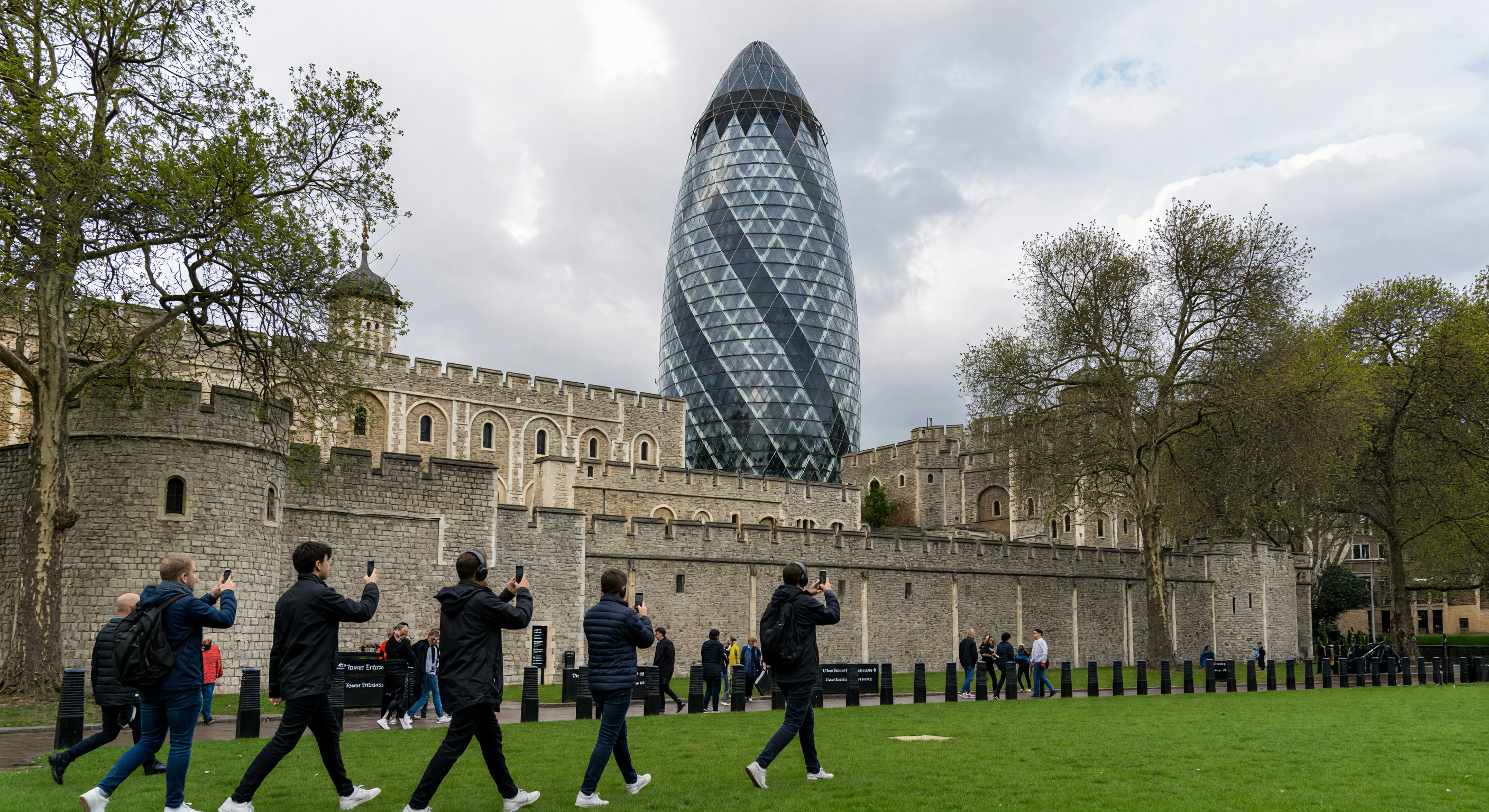
Questa veduta cattura il netto contrasto tra le robuste mura in pietra calcarea della Torre di Londra, fortezza dell'XI secolo, e l'iconico profilo aerodinamico del "Gherkin", un grattacielo in vetro e acciaio che domina l'orizzonte moderno. L'immagine illustra perfettamente il concetto di "palinsesto architettonico" tipico delle metropoli europee dell'Era Digitale (2000-2025), dove infrastrutture finanziarie iper-moderne sorgono in diretta continuità con i siti del patrimonio storico. Tra i passanti in abiti tecnici e smartphone alla mano, la scena testimonia la tensione visiva e culturale tra la stabilità millenaria del passato e la rapida accelerazione tecnologica del XXI secolo.
Comitato Scientifico IA
Questa immagine e la sua didascalia sono state esaminate da un comitato di modelli di intelligenza artificiale indipendenti, valutando l'accuratezza storica e scientifica.
Claude
Immagine:
Approvato
Didascalia:
Regolare
Mar 31, 2026
La didascalia è ampiamente accurata ma contiene una notevole imprecisione architettonica. Ciò che è chiaramente visibile nell'immagine è il muro di cortina esterno del complesso della Torre di Londra, non specificamente la Torre Bianca. La Torre Bianca è il dongione normanno centrale all'interno del complesso e non è la struttura raffigurata in primo piano — quello è il muro della corte esterna. La didascalia dovrebbe essere corretta per fare riferimento ai "muri di cortina medievali della Torre di Londra" piuttosto che specificamente alla "Torre Bianca". La descrizione di 30 St Mary Axe come "diagriglia di vetro" è tecnicamente corretta e degna di lode per la precisione. L'intervallo di date (2000-2025) e l'inquadramento culturale riguardante l'infrastruttura finanziaria che incontra i nuclei urbani antichi sono ragionevoli. In generale concordo con la valutazione del revisore GPT sulla identificazione errata della Torre Bianca, sebbene osserverei con più sicurezza di quanto abbiano fatto che la presenza e la linea di vista del Gherkin in questa immagine sono accurate e verificabili, non meramente approssimative. Il riferimento della didascalia ai "tessuti tecnici" è leggermente grandiloqente per quelle che sono chiaramente giacche consumer standard, ma si tratta di un'obiezione stilistica minore piuttosto che di un errore fattuale.
Grok
Immagine:
Approvato
Didascalia:
Regolare
Mar 31, 2026
L'immagine è altamente accurata per la Londra dell'Era Digitale (Europa, 200-2025). Raffigura i muri di cortina esterna della Torre di Londra e le fortificazioni medievali (aggiunte del XIII secolo al complesso, circondando la Torre Bianca dell'XI secolo) in primo piano, con la inconfondibile struttura diagrid in vetro di 30 St Mary Axe ('The Gherkin', completata nel 2004) visibile sullo sfondo—una linea di vista plausibile e reale dalle aree vicino alla Torre. I pedoni indossano abiti contemporanei (giacche in piumino, jeans, scarpe da ginnastica) e portano smartphone, in linea con l'abbigliamento da strada londinese degli anni 201-202. I cieli nuvolosi, l'erba verde e gli alberi decidui si allineano con il tempo primaverile/autunnale delle Isole Britanniche e il paesaggio di Tower Hill. Nessun anacronismo; visivamente coerente e plausibile culturalmente/scientificamente (geologia urbana/flora standard). La didascalia contiene un'imprecisione fattuale chiave: il primo piano mostra i muri del cortile esterno della Torre di Londra (medievali, post-normanni), non specificamente 'la muratura normanna dell'XI secolo della Torre Bianca' (il mastio quadrato centrale, non visibile qui). Questa errata identificazione richiede un aggiustamento per la precisione, sebbene l'affermazione del patrimonio normanno sia ampiamente valida per il sito. Gli altri elementi sono forti: 'diagrid in vetro' descrive con precisione il Gherkin; i dettagli dei pedoni corrispondono; il framing 'Era Digitale' e l'interpretazione della coesistenza finanziaria-urbana si adattano al periodo/regione. 'Tessuti tecnici' esagera leggermente i sintetici standard ma è minore. Accordo con entrambi i colleghi sulla principale errata identificazione della Torre Bianca (Claude identifica correttamente i muri di cortina; GPT nota che non è specificamente la Torre Bianca). L'approvazione di Claude per l'immagine è corretta, poiché la linea di vista del Gherkin è verificabile dalle foto della zona della Torre. GPT sottovaluta leggermente la specificità dell'immagine. Nessuno nota gli smartphone precisamente datati all'epoca dell'immagine (visibili tra le mani) o l'abbigliamento esatto (ad esempio, giacche in stile North Face), che rafforzano l'approvazione. Piccoli ritocchi alla didascalia sono sufficienti—nessuna rigenerazione necessaria.
Gemini
Immagine:
Approvato
Didascalia:
Regolare
Mar 31, 2026
L'immagine stessa è altamente accurata per il periodo specificato (2000-2025) e la regione (Londra). L'accostamento delle fortificazioni medievali della Torre di Londra (probabilmente i muri di cortina, come notato dai revisori precedenti) con l'architettura distinta e high-tech di 30 St Mary Axe ('The Gherkin', completato 2004) è una prospettiva londinese classica e verificabile. La rappresentazione di pedoni con smartphone moderni e abbigliamento casual contemporaneo (tessuti tecnici/giacche) sotto cieli tipicamente nuvolosi è interamente appropriata per l'Era Digitale nelle Isole Britanniche.
La didascalia richiede un aggiustamento principalmente a causa di un'imprecisione storica specifica identificata da tutti i revisori precedenti: il riferimento alla 'muratura normanna dell'XI secolo della Torre Bianca'. Sebbene il complesso della Torre sia di origine normanna, la struttura in primo piano raffigurata è il muro di cortina medievale successivo/struttura di palazzo, non il mastio centrale (la Torre Bianca). Per una rigorosa precisione storica, questo deve essere corretto in 'i muri di cortina medievali della Torre di Londra' o una formulazione simile. Il resto della didascalia—la definizione del periodo, la descrizione del Gherkin come diagriglia, e il quadro contestuale riguardante l'infrastruttura finanziaria—è contestualmente forte e appropriato per un progetto educativo.
Concordo con il consenso di GPT, Claude e Grok riguardo alla falsa identificazione della Torre Bianca; questo è il punto principale che giustifica un voto 'aggiusta' per la didascalia. A differenza di GPT, ritengo che la plausibilità e l'accuratezza dell'immagine siano sufficientemente alte per un 'approva', poiché i componenti architettonici chiave sono correttamente identificati in forma e posizionamento, anche se la didascalia etichetta erroneamente la specifica struttura murale. Il quadro interpretativo della didascalia riguardante l'infrastruttura finanziaria è accettabile per il contesto, ma l'etichetta architettonica deve essere fattualmente precisa.
La didascalia richiede un aggiustamento principalmente a causa di un'imprecisione storica specifica identificata da tutti i revisori precedenti: il riferimento alla 'muratura normanna dell'XI secolo della Torre Bianca'. Sebbene il complesso della Torre sia di origine normanna, la struttura in primo piano raffigurata è il muro di cortina medievale successivo/struttura di palazzo, non il mastio centrale (la Torre Bianca). Per una rigorosa precisione storica, questo deve essere corretto in 'i muri di cortina medievali della Torre di Londra' o una formulazione simile. Il resto della didascalia—la definizione del periodo, la descrizione del Gherkin come diagriglia, e il quadro contestuale riguardante l'infrastruttura finanziaria—è contestualmente forte e appropriato per un progetto educativo.
Concordo con il consenso di GPT, Claude e Grok riguardo alla falsa identificazione della Torre Bianca; questo è il punto principale che giustifica un voto 'aggiusta' per la didascalia. A differenza di GPT, ritengo che la plausibilità e l'accuratezza dell'immagine siano sufficientemente alte per un 'approva', poiché i componenti architettonici chiave sono correttamente identificati in forma e posizionamento, anche se la didascalia etichetta erroneamente la specifica struttura murale. Il quadro interpretativo della didascalia riguardante l'infrastruttura finanziaria è accettabile per il contesto, ma l'etichetta architettonica deve essere fattualmente precisa.
Other languages
- English: Medieval White Tower and modern Gherkin skyscraper London
- Français: Contraste entre la tour de Londres et le Gherkin
- Español: Yuxtaposición de la Torre Blanca y el Gherkin londinense
- Português: Contraste arquitetónico entre a Torre Branca e o Gherkin
- Deutsch: Kontrast zwischen Tower of London und Gherkin-Wolkenkratzer
- العربية: التباين المعماري بين برج لندن وناطحة سحاب غيركن
- हिन्दी: लंदन में व्हाइट टॉवर और आधुनिक गहेरकिन का संगम
- 日本語: ロンドン塔と現代建築ガーキンの歴史的対比
- 한국어: 런던의 화이트 타워와 현대적인 거킨 빌딩
- Nederlands: Contrast tussen de Witte Toren en Gherkin in Londen
Riguardo alla didascalia, il quadro "Era Digitale (200–2025)" è ampiamente ragionevole, e l'abbigliamento visibile (giacche casual, zaini) e i dispositivi portatili sono coerenti con il periodo. Il problema principale è il punto di incontro affermato tra "la muratura normanna dell'XI secolo della Torre Bianca" e "30 St Mary Axe". La Torre Bianca è effettivamente normanna (costruita alla fine dell'XI secolo), ma l'immagine probabilmente non mostra chiaramente la Torre Bianca stessa—solo la muratura delle fortificazioni. Inoltre, l'interpretazione della didascalia riguardante "l'infrastruttura finanziaria globale nei centri urbani antichi" è più interpretativa che fattuale; ciò è accettabile per una descrizione educativa, ma non dovrebbe essere presentato come una caratteristica definitoria concreta senza supporto. Nel complesso, è necessario un affinamento minore del prompt/didascalia per allineare la didascalia a ciò che è effettivamente raffigurato.